


Why We Write Code (It's Not for the Computer)
Why We Write Code (It's Not for the Computer)
When I first started coding, I believed my job was done once the program ran without errors.
I was wrong.
We don't write code for the machine. We write it for the person who will maintain it — the colleague who will debug it at 2 AM, the junior developer who will learn from it, or even our future selves months or years down the line.
I learned this the hard way. I rushed to get features out the door, and later, debugging that code felt like deciphering a puzzle without clues. That's when it hit me — code isn't just for computers; it's a letter written to other humans.
So let's talk about why we actually write code — and why it matters more than you think.
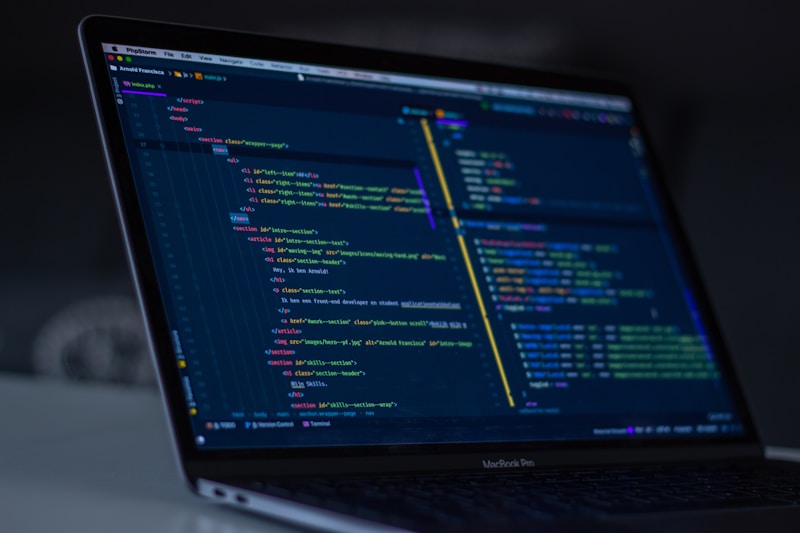
Code Is Communication — Full Stop
Code, and programming languages more generally, are about communication — from humans to machines, and to other humans.
When you write computer software, you're effectively explaining a process to a computer in perfect detail. But that's only half the story.
Most software is intended to be used by someone other than the programmer, and generally will be written or maintained in part by more than one person. This implies that, as well as explaining a purpose to the computer, the code also has to explain a purpose to other programmers.
This is one of the reasons good programming is as much art as science. Any coder can eventually write a program that produces the desired output. But a professional software engineer does more: He writes a program that is easily understood by others, reusable and easily modified.
The Human Factor: Why People Matter More Than Code
Here's a truth that took me years to fully appreciate: software is about people, not code.
When I was starting out, I thought software development was all about code. I wrote style guides, researched new technologies, argued about code formatting, and joined design pattern groups — all to be better at writing code.
But eventually, I realized that people were far more important for the success of a software project than code.
- Software and code is created for people and their purposes. It doesn't exist on its own, isolated from human needs.
- People will use the tools or applications built with code. (Or, worse, they won't.) This means they have to be bought into what is being built.
- Most people don't know or care about the code. They're just trying to get something done. The most beautiful, well-tested codebase that does the wrong thing is useless.
Code Is Thinking Made Tangible
Here's something I've come to believe: your code is your understanding of the problem you're exploring.
I can think all the Big Thoughts I like, but until I have a working program, I'm never quite certain that these thoughts make sense. Writing a program forces me to specify and clarify; it rejects fuzziness and incoherence.
As my program grows and evolves, it reflects the growth and evolution of my idea. As Paul Graham famously said: "the program is the growth and evolution of my idea".
This is why teaching everyone a little programming would be good. It's not about making everyone a professional developer. It's about giving people a way to make their thinking precise.
"The simplest way to understand a process is to express it as close to executable form as possible."
Why Style Matters (Even When It's Just You)
80% of a programmer's work is modifying existing code. And programmers come and go frequently.
The benefits of code that works are immediate: a running system and a nice paycheck. But the payoffs of readable code accrue in the future when your code will be maintained and extended.
The key observation? Good style should be a matter of habit. If you think about style as you write code originally, and if you take the time to revise and improve it, you will develop good habits. Once they become automatic, even the code you produce under pressure will be better.
Why bother? Because well-written code is easier to read and to understand, almost surely has fewer errors, and is likely to be smaller than code that has been carelessly tossed together.
The Unix Philosophy in Practice
There's a reason the Unix philosophy has endured for decades. It's not about being old-school. It's about writing code that humans can understand.
- Rule of Clarity: Write programs as if the most important communication is to the developer who will read and maintain the program — rather than the computer.
- Rule of Representation: Choose to make data more complicated rather than the procedural logic, because it's easier for humans to understand complex data than complex logic.
- Rule of Simplicity: Design for simplicity by breaking up program systems into small, straightforward cooperating pieces.
What Customers Actually Want
Occasionally, I think we developers just write software for the pleasure of putting a few cool technologies through their paces.
But most of the time, we write software to address specific requests from customers or to provide a service for others to consume.
Software exists and thrives because of its inherent capability of reproducing the reality of some business experience while speeding up existing processes and enabling new and more effective processes.
The goal of software architecture is mirroring real life and streamlining processes — not just modeling it the best you can.
The Real Reason We Write Code
So why do we really write code?
We write code to think. To make our ideas precise enough to execute.
We write code to communicate. To explain processes to machines and to other humans.
We write code to serve people. To solve real problems for real humans.
We write code to leave a legacy. For the colleague who'll debug it at 2 AM, for the junior developer who'll learn from it, for our future selves.
And finally — we write code because it's one of the most creative, rewarding activities you can do.
The Bottom Line
Code is communication. It's a letter to the future. It's an explanation of a process. It's thinking made tangible.
So next time you write a line of code, write it as if you're writing for a friend who depends on it. Because they do.
Now go write something worth reading. 🚀
Keywords: Why we write code, programming philosophy, clean code, software craftsmanship, human-centric programming, coding communication, readable code, software development, Osuji Miracle, FLUXVIA
Sources: Vikash Sachan (LinkedIn) • University of Northern Iowa • Simon Dobson • UMBC • GitHub • CODE Magazine • ACM Queue • NIMBioS
Published June 19, 2026 • Opinion • 7 min read • FLUXVIA
🔥 Popular Posts
Most read from Fluxvia Journal — for developers, designers, and curious minds.

AI & The Future of Dev
AI isn't replacing developers — it's upgrading them. Explore the real state of agentic software development in 2026.

Design Systems 101
Complete beginner's guide to building consistent, scalable products with atomic design methodology and real-world examples.

Why We Write Code
It's not for the computer — it's for the humans who will read, maintain, and debug it. An honest look at programming philosophy.

Building Your First API
Step-by-step Node.js + Express tutorial with CRUD operations, testing, and React integration. No prior experience needed.

The Art of Debugging
Master the 4-phase protocol and mindset shifts that separate experts from beginners. Includes GDB, Valgrind, and prevention strategies.

DeepSeek Finally Got Eyes
DeepSeek's new Vision Mode launched 15 hours ago — and it's already embarrassing itself. Here's why it can't recognize its own CEO.

"Modern web tools, guides, and resources built for developers by developers. Always free, always client-side."
Resources
Support


All Rights Reserved.
Comments
0